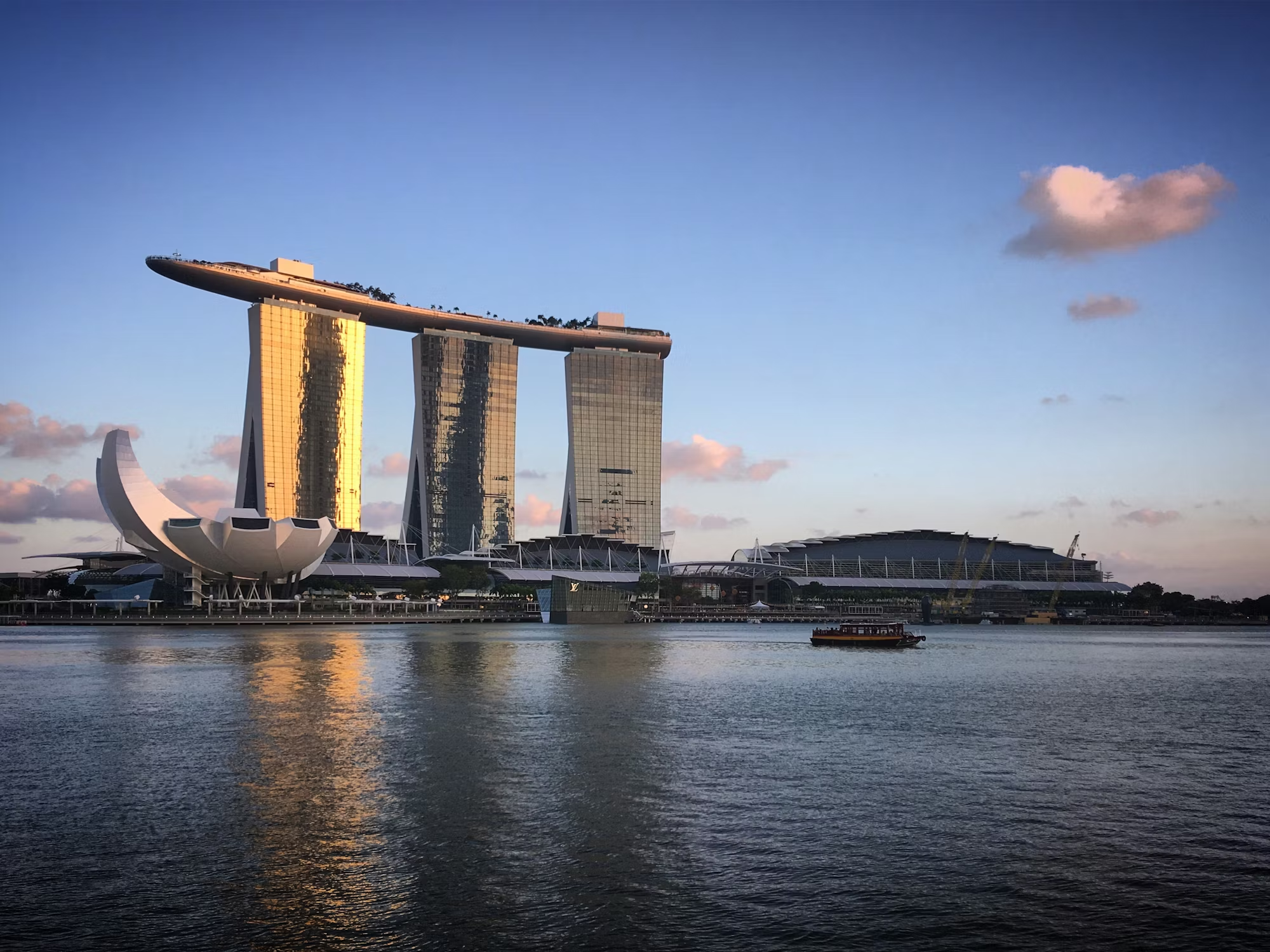
In the ever-evolving landscape of urban architecture, skyscrapers have emerged as symbols of innovation and economic power. These towering structures not only redefine city skylines but also play a pivotal role in the financial ecosystem of their respective locales. By providing essential spaces for businesses, residences, and hospitality, modern skyscrapers significantly contribute to urban economies. The evolution of commercial skyscrapers has revolutionized the way businesses operate within metropolitan areas. Designed to accommodate offices and retail spaces, these buildings, such as the One World Trade Center, create environments that foster collaboration and innovation. They are often strategically located in business districts, ensuring accessibility for clients and employees alike. This concentration of economic activity not only attracts businesses but also stimulates job creation, enhancing the overall economic vibrancy of the city. Furthermore, the architectural design of commercial skyscrapers is constantly evolving. Today’s structures prioritize functionality while incorporating cutting-edge technologies. High-speed elevators, smart building systems, and sustainable materials are just a few elements that enhance operational efficiency and reduce costs for businesses. As these skyscrapers rise, so does the potential for increased profitability for the companies that inhabit them. Residential skyscrapers have also gained prominence as urban populations expand. These high-rise buildings offer luxurious living spaces that cater to a diverse range of lifestyles. The appeal of vertical living is particularly evident in cities where land is at a premium. Developments like The Shard in London not only provide residents with stunning views but also contribute to the local economy through increased property values and urban density. As more people opt for apartment living, there is a direct correlation between residential skyscrapers and the financial health of urban areas. Hotels have adapted to this vertical trend as well, with hotel skyscrapers providing unique accommodation experiences. These structures combine luxury with convenience, drawing in tourists and business travelers alike. Hotels like the JW Marriott Marquis in Dubai exemplify how these buildings cater to a global clientele, providing amenities that enhance the overall visitor experience. The financial success of hotel skyscrapers often relies on their location and the quality of services offered, which in turn supports local economies through tourism revenue. The rise of mixed-use skyscrapers has transformed urban landscapes into vibrant, multifunctional environments. These buildings seamlessly integrate residential, commercial, and recreational spaces, fostering a sense of community within the urban fabric. Projects like Hudson Yards in New York illustrate how mixed-use developments can rejuvenate neighborhoods while driving economic growth. By combining living spaces with offices, retail, and leisure facilities, mixed-use skyscrapers create an ecosystem that attracts diverse populations and businesses. Iconic landmark skyscrapers serve not only as architectural masterpieces but also as financial assets for their cities. These buildings often become symbols of cultural pride, drawing tourists and boosting local economies. Structures like the Eiffel Tower in Paris and the Empire State Building in New York generate significant revenue through tourism, while also enhancing the brand image of their respective cities. The cultural significance of these skyscrapers often leads to increased investment and development in surrounding areas, further driving economic growth. In recent years, the focus on sustainability has transformed skyscraper design and construction. Green skyscrapers prioritize environmentally friendly features, integrating renewable energy sources, energy-efficient technologies, and sustainable materials. Buildings like the Bosco Verticale in Milan exemplify this trend, showcasing how skyscrapers can contribute to reducing urban carbon footprints. The financial benefits of green skyscrapers extend beyond reduced operational costs; they also attract environmentally conscious investors and tenants, creating a new market niche. Observation skyscrapers play a unique role in urban finance by enhancing tourism and providing panoramic views of the cityscape. Structures like the CN Tower in Toronto not only draw visitors but also generate revenue for local businesses. The presence of observation decks often stimulates investment in nearby areas, as tourists seek out restaurants, shops, and entertainment options. By serving as both landmarks and revenue generators, observation skyscrapers contribute significantly to urban economies. Historic skyscrapers also hold financial value, representing cultural heritage and architectural excellence. Buildings like the Woolworth Building in New York serve as reminders of the city’s rich history while also housing modern businesses. The preservation and adaptive reuse of historic skyscrapers can lead to revitalization efforts that benefit local economies. By maintaining these structures, cities can attract investment and tourism while honoring their architectural past. The rise of supertall skyscrapers, those exceeding 300 meters in height, represents the pinnacle of architectural ambition. These structures, such as the Burj Khalifa in Dubai, require significant financial investment and advanced engineering techniques. The construction of supertall skyscrapers not only showcases a city’s economic prowess but also becomes a point of pride for its residents. However, these buildings must also address challenges related to sustainability and community integration. Lastly, the concept of skybridges or linked skyscrapers adds another layer of complexity to urban design. These structures connect multiple towers, promoting collaboration and efficiency. Skybridges enhance functionality while maximizing space utilization, creating a unique architectural experience. Financially, these developments can attract more businesses by providing seamless access between buildings. In conclusion, skyscrapers are not merely architectural landmarks; they are integral to the financial and cultural fabric of urban environments. As cities continue to grow and evolve, understanding the multifaceted role of skyscrapers will be essential for fostering economic development and enhancing urban life. From commercial spaces to residential towers, each type of skyscraper contributes to a dynamic economy, reflecting the innovative spirit of modern architecture.